Alubias y judías verdes
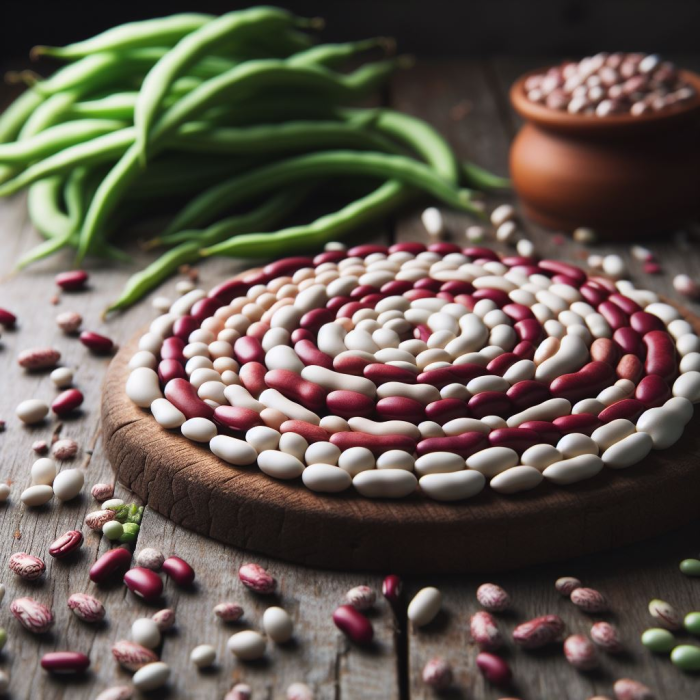
| Nombre: | Alubias y judías verdes | ||||||||||||||||||||||||||||||||||||||||||||||||||||||||||||||||||||||||||||||||||||||||||||||||
| Nombre Botánico: | Phaseolus vulgaris | ||||||||||||||||||||||||||||||||||||||||||||||||||||||||||||||||||||||||||||||||||||||||||||||||
| Familia: | Leguminosas | ||||||||||||||||||||||||||||||||||||||||||||||||||||||||||||||||||||||||||||||||||||||||||||||||
|
Calendario: Zona fría
|
|||||||||||||||||||||||||||||||||||||||||||||||||||||||||||||||||||||||||||||||||||||||||||||||||
Observa la huerta desde una perspectiva de economía circular. Descubre cómo cuidar, cultivar y aprovechar la huerta de manera sostenible.
| Nombre: | Alubias y judías verdes | ||||||||||||||||||||||||||||||||||||||||||||||||||||||||||||||||||||||||||||||||||||||||||||||||
| Nombre Botánico: | Phaseolus vulgaris | ||||||||||||||||||||||||||||||||||||||||||||||||||||||||||||||||||||||||||||||||||||||||||||||||
| Familia: | Leguminosas | ||||||||||||||||||||||||||||||||||||||||||||||||||||||||||||||||||||||||||||||||||||||||||||||||
|
Calendario: Zona fría
|
|||||||||||||||||||||||||||||||||||||||||||||||||||||||||||||||||||||||||||||||||||||||||||||||||
Es habitual clasificar las judías verdes atendiendo a dos criterios el primero se relaciona con la forma de crecer la planta y el segundo hace referencia a la forma del fruto recolectado. Según el crecimiento de la planta se distinguen dos tipos: + De porte bajo, judía verde de mata baja, con tallos erectos de 30 a 40 cm de altura. Suelen ser más precoces y menos productivas que las de enrame. La duración del cultivo es más corta. + De porte alto, judía verde de enrame, con tallos trepadores que alcanzan los 2 a 3 metros de longitud. Tienen tallos volubles, suelen ser de ciclo más largo y más productivas que las de porte bajo. Según la forma del fruto: + Vainas planas. + Vaina cilíndrica.
Existen infinidad de variedades de judías verdes, a modo de ejemplo se señalan las siguientes: - Variedades de porte bajo + Vaina verde plana: Alba, garrafal enana, Verónica. + Vaina verde redonda: Amata, Gala, Sonate. - Variedades de enrame + Vaina verde plana: Garrafal Oro, Helda, Zondra. + Vaina verde redonda: Alhama, Nadal, Perfección Blanca.
En los pequeños huertos al aire libre las judías verdes son un cultivo de verano. Las temperaturas óptimas para el desarrollo vegetativo durante la noche se sitúan entre los 15 y 18 ºC y de 20 a 25 ºc durante el día. Para que el desarrollo vegetativo y la calidad de los frutos sea adecuada temperaturas no deben bajar de los 10-12 ºC. Por debajo de estas temperaturas las judías comienzan a formar vainas torcidas (en forma de gancho). Los cambios bruscos de temperatura y humedad, así como las temperaturas superiores a 35-37 ºC pueden provocar caídas de flores. Estos rangos de temperaturas determinan que las judías verdes se cultiven al aire libre desde mediados de mayo a mediados de septiembre en las zonas frías y de principios de mayo a mediados de octubre en las zonas templadas.
Las judías no toleran el exceso de agua en el suelo, así, prefiere los suelos sueltos a los arcillosos, aunque es capaz de prosperar en muchos tipos de suelos a condición de tener un buen drenaje y abundante materia orgánica bien descompuesta. No tolera salinidad en el suelo ni en el agua de riego.
Las judías verdes pueden sembrarse directamente en el terreno de cultivo a condición de que el suelo tenga una temperatura superior a 15 ºC y el suelo esté húmedo, pero no en exceso. En suelos fríos y muy húmedos la nascencia es lenta e irregular y muchas plantas mueren en el proceso de germinación por el ataque fundamentalmente de hongos. Antes de la siembra hay que realizar una labor semiprofunda (25 a 30 cm), con la que se envuelve el estiércol con algo de abono si se trata de suelos pobres o recién cultivados y a continuación se dan dos labores superficiales (15 cm) con grada o cultivador. Las judías de porte bajo, tradicionalmente se siembran a golpes, depositando 3-4 semillas en cada agujero cubriendo las con no más de 2 cm de tierra. El marco de plantación suele ser de 35-45 cm entre golpes y 70-80 cm entre filas. Si se siembran a chorrillo la separación entre semillas suele ser de entre 6 y 9 cm Si se siembran judías de enrame y los tutores van a ser cañas la siembra se realizará a golpes, si se van a utilizar mallas plásticas también se puede sembrar a chorrillo. Los marcos de plantación son similares a las de porte bajo. Tras la siembra, si el suelo no está húmedo se puede regar ligeramente. Si se desea realizar semillero se realizará en bandejas alveolares de 7x7 que se colocarán en invernaderos o lugares muy protegidos del frío procurando que estén a temperaturas cercanas a 20ºC y en lugares muy bien iluminados En cada alveolo se sembrarán dos o tres semillas. En los alveolos rellenos de sustrato especial para semilleros previamente humedecido se realiza, con el dedo o un trozo de madera, un pequeño agujero de unos 2 cm de profundidad en el que se depositan las semillas a continuación se tapan las semillas con un poco de turba o vermiculita y se riega abundantemente con cuidado de no mover el sustrato. No se realizará ningún aclareo de plantas trasplantándose todas las germinadas. En 100 gramos de semillas hay aproximadamente de 170 a 180 semillas. Si no se desea realizar semillero las plantas de judía verde se pueden adquirir con facilidad a viveristas profesionales que las comercializan con cepellón.
Para el trasplante se prepara el suelo de igual forma que para la siembra directa. En el caso de las judías verdes de porte bajo la mejor manera de trasplantarlas es la de, una vez puesta una cuerda para marcar la fila, abrir una zanja de unos 10 cm de profundidad donde se irán colocando las plantas cada 15 cm aproximadamente cubriendo el cepellón como mucho con 2 cm de tierra. Si se trata de judías verdes de enrame, el trasplante dependerá del tutor elegido: si son cañas se trasplantarán a golpes. En cada fila se realizarán agujeros a una distancia de entre 35 y 45 cm donde se colocarán uno o dos cepellones (unas 3-4 plantas) cubriéndolos como se ha indicado anteriormente. Si el tutor elegido son las mallas plásticas se trasplantarán de la misma forma que las judías verdes de porte bajo. A continuación, se riegan los golpes o las filas para que las plantas se afiancen adecuadamente. En el caso de riego por gravedad, los caballones y surcos deberán realizarse tras la preparación de la tierra antes del trasplante.
Riegos: Las judías verdes son exigentes en riegos. Después de la siembra directa, el siguiente riego solo deberá darse después de la nascencia de las plantas. En los primeros estados de desarrollo conviene mantener el suelo con poca humedad para propiciar un mayor desarrollo radicular, sin embargo, las necesidades de agua son muy elevadas poco antes de la floración y después de esta. En esos momentos se debe mantener el suelo con una humedad constante sin ser excesiva. En terrenos profundos un riego cada 3-4 días en la época calurosa suele ser suficiente en la mayoría de los casos. Entutorado: Es una práctica imprescindible en la judía de enrame para permitir el crecimiento vertical y la formación de una pared de vegetación homogénea. Se pueden utilizar cañas de unos 2,25 metros que una vez clavadas junto a cada grupo de plantas sembradas o trasplantadas a golpes se atan entre ellas en la parte superior de cuatro en cuatro. Esto evita que el ciento las derribe. Existen también mallas plásticas que se colocan a lo largo de las líneas de cultivo. Para colocar las mallas es necesario construir un armazón con postes y travesaños fuertes. Malas Hierbas: Al principio del cultivo se deberá controlar la aparición de malas hierbas realizando las escardas necesarias, una vez se hayan desarrollado las plantas ya no será necesaria esta vigilancia ya que el propio cultivo se impone a las malas hierbas y en caso de aparecer alguna se retirará manualmente.
Consultar la guía de gestión integrada de plagas – leguminosas. https://www.mapa.gob.es/es/agricultura/temas/sanidad-vegetal/leguminosas_web_2_tcm30-559335.pdf
En las siembras primaverales, las judías comienzan a florecer, según la variedad, a los 35 – 50 días de la siembra. A partir de ese momento la planta emite racimos de manera sucesiva. En las variedades de enrame se pueden encontrar racimos florales a diferentes alturas, por lo que podemos encontrar frutos para recolectar también a diferentes alturas. Las judías se recolectan cuando han adquirido el color, ternura y tamaño adecuado entre 12-20 cm (propio de cada variedad) y las semillas que contienen las no se han formado. La vaina debe tener un color verde intenso sin que se señalen las semillas. Deben de partirse fácilmente al doblarlas, ser quebradizas. Si recolección se realiza tarde y las semillas han engordado (marca el grano), la calidad de la judía cae drásticamente siendo fibrosa. Se deben recolectar cada 2-3 días a primeras horas de la mañana trasportándolas en cajas o cubos. En los pequeños huertos al aire libre la época de recolección puede durar hasta 2 meses.
Las judías verdes deben almacenarse en frío hasta su consumo.